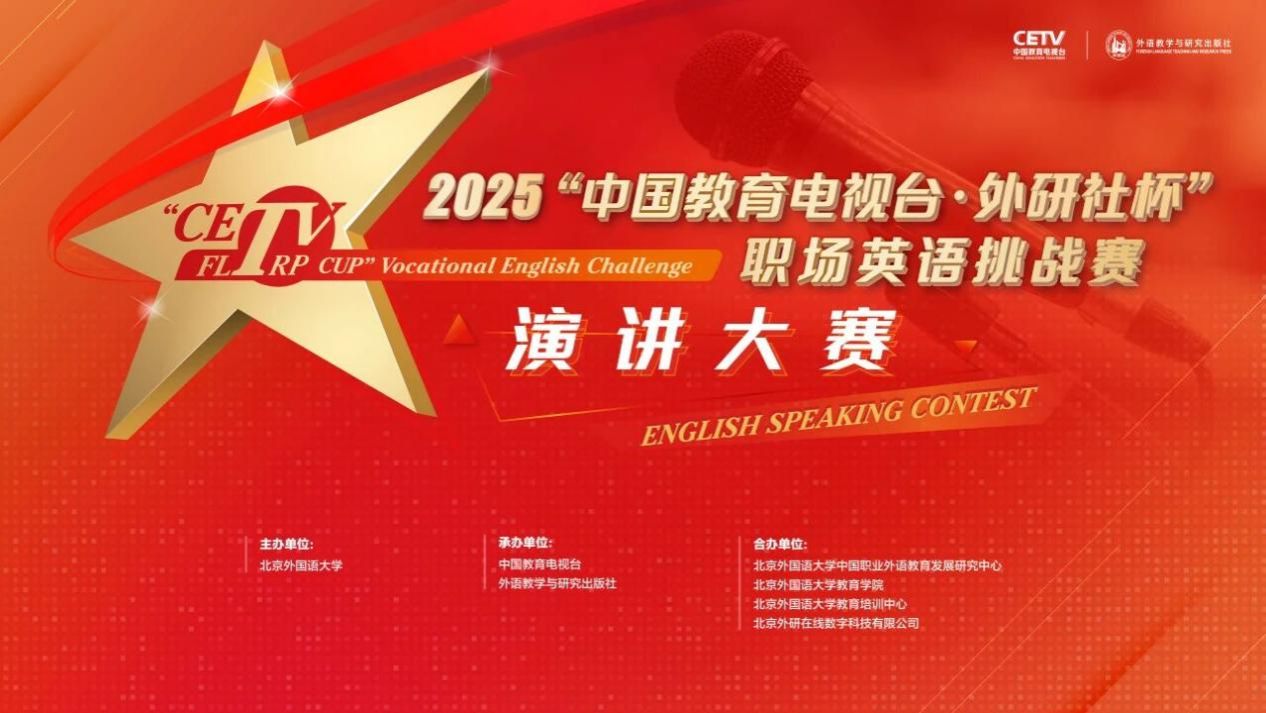
2025“中国教育电视台・外研社杯”职场英语挑战赛演讲大赛全国决赛已在北京圆满落幕。来自全国27个省、市、自治区的百名选手,经过四个阶段的角逐,以语言为桥展现风采、传递担当,呈现了一场精彩的语言与思维盛宴。
大赛落幕,精彩仍在延续。让我们聚焦决赛第一阶段“主题演讲”,重温优秀选手的高光时刻,深入体会“Future Industry, Future Me”所承载的时代力量:它不仅是个人与产业同频共振的信念表达,更彰显了青年立足产业未来、塑造自我成长的坚定追求。让我们聆听专家点评,从中汲取学习灵感!
第一阶段:主题演讲
大赛主题回顾:
Future Industry, Future Me
“The future of industry is the future of everyone. It is the foundation of progress, where opportunities grow and lives are transformed. We are not just observers of this change but builders of a brighter tomorrow. The choices we make and the passion we ignite today will echo across generations, and create a world where possibilities have no bounds.”
精彩回顾——专家点评
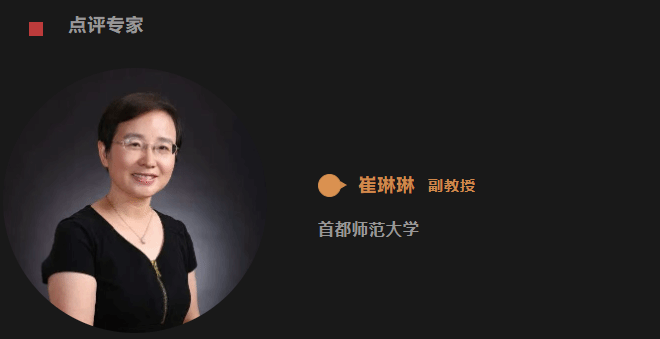
首都师范大学外国语学院副教授、硕士生导师,北京外国语大学中国外语与教育研究中心博士,剑桥大学教育学院访问学者,曾任《基础外语教育》副主编;主要教授英语公众演讲、英语语音、英语教学实践、英语语法与写作,曾获首都师范大学“最受学生欢迎的十佳教师”称号;主要研究方向为外语教育、教师教育、叙事探究,发表多篇国内外学术论文,主持、参与“高校学生用英语讲好中国故事的能力培养研究”等多项国家和省部级研究课题及课改项目。
*为呈现选手原本参赛表现,未对稿件中部分语法问题进行修改,请注意甄别。
演讲大赛全国二等奖
太原城市职业技术学院 梁诗韵
选手演讲稿及专家点评
专家点评:这是一篇思辨性突出的演讲。选手以哲学问题串联历史与现实,以“hammer”作为核心隐喻与线索,结构严谨,首尾呼应,遣词造句体现出了思考深度。选手台风自然自信,表述自然流畅,体现了很强的语言综合运用能力。
Good afternoon ladies and gentlemen.
Philosopher Lewis Mumford once asked:“Will we be the masters of the machine world, or its servants?”
In the early 19th century, when countless people praised the success of textile machines, some people didn’t. They left their homes at night, sneaked into textile factories, and smashed all the machines with their hammers. This is the Luddite’s movement. These people were not vandals but skilled textile workers believing they would get physically replaced. Facing industrial advancement, they use hammers to break the machines, trying to be masters regarding Mumford’s question.
A year ago I was struggling to write an article for a week but always didn’t turn out good. As the deadline came up, I used AI and a flawless essay was generated. Relief washed over me but panic soon followed. That one minute of AI’s work was way better than my effort in one week. The fear from two centuries ago spread to me. I could not only get physically replaced but now mentally replaced. Facing industrial advancement, I want to use a“hammer”to break my fear, but too powerless to be a master regarding Mumford’s question. Are we servants? You might wonder. But if you dig deeper, there’s more of the story.
专家点评:开篇引用哲学家Lewis Mumford 的问题,结合19世纪初英国纺织工人为反对机器替代,砸毁纺织机的卢德运动,兼具思辨性与历史厚度,能引发听众的深入思考。随后通过自身使用AI写作文的经历,将两百年前的“被替代恐惧” 与当下的科技焦虑相连,巧妙引出“人类是机器的主人还是仆人”的核心议题,视角独特,立意新颖。
但是,开头的历史案例与个人经历的衔接稍显生硬,可增加过渡句,让转折更自然。此外,语言表达比较书面化,需转化为更具有对话感的演讲语言,从而增强与听众的链接。
When workers were smashing the machines, some people rationally declined, figuring out that development was inescapable and adjusting to the new era was wiser. When I am afraid of AI, some people actively reflect, considering that the fear against a tool is unnecessary and cooperation instead of competition with AI is wiser. When noise and fear surround us, devaluing our confidence as human beings, humanity dispels the darkness and shows the wiser path.
专家点评:该段通过对比卢德运动中不同工人的选择以及自身与他人面对AI的不同态度,层层剖析,论证了“人性是掌控技术的关键”的论点,逻辑严密,思辨性强。该段也通过排比、比喻等修辞手法的运用增强了演讲的感染力。
对“人性是锤子”这一比喻的阐释还需要补充具体场景,以便听众的理解。对核心论点的支撑也可增加更多现实案例,从而增强说服力。
Again, will we be masters, or servants? In the future, facing unprecedented industrial advancement, we should use a “hammer” to break not the machines, not fear, but the limited self-perception that we are replaceable. Rationality keeps us grounded, always adapting to the times. Reflection keeps us discerning, always embracing the evolutions of industries. Humanity makes us unique, always irreplaceable. Humanity is that hammer. And humanity makes us masters.
专家点评:结尾与开篇呼应,结构严谨。可结合自身专业背景和未来规划补充具体行动,让“我们应该成为技术的主人”这一愿景具象化。同时,可适当优化句式,简化长句,让表述更加简洁明快,增强互动感和感染力。




 晋ICP备08003315号-1
 晋公网安备14010802080013号